

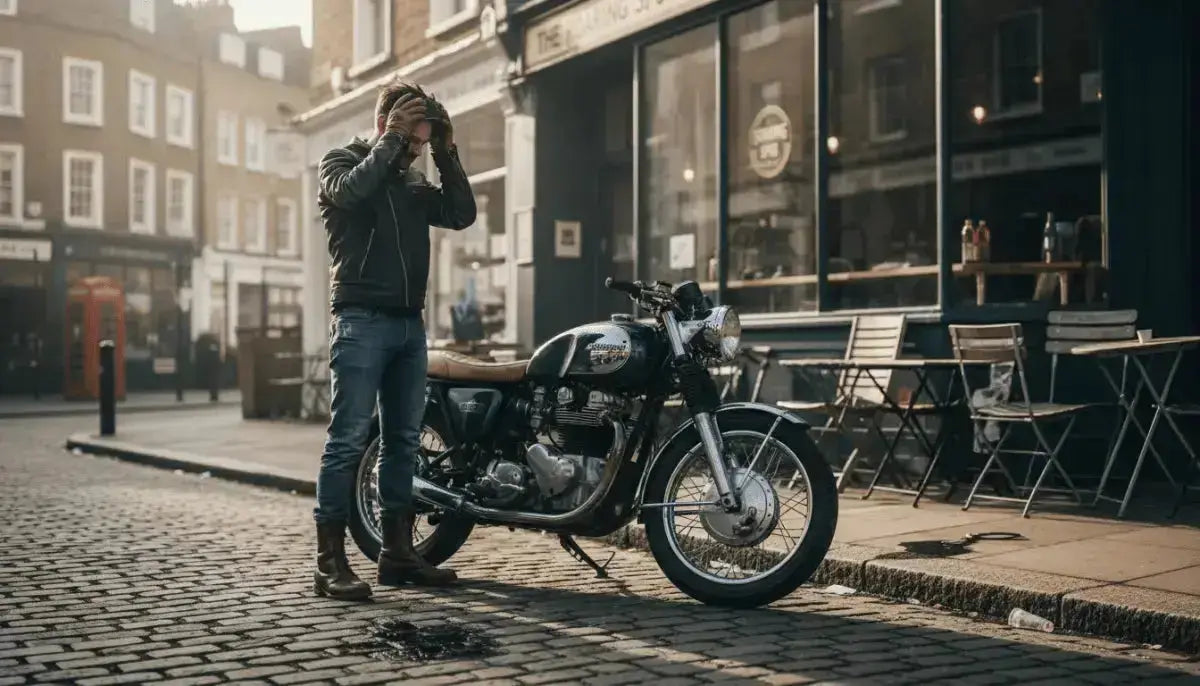
Choosing a motorcycle jacket is about more than standing out on your next Hertfordshire ride. New riders and café racer fans often find that a jacket must offer both style and dependable protection. Modern motorcycle jackets combine robust materials like leather or Kevlar with impact-absorbing armour on elbows, spine, and shoulders. This careful design means your jacket does more than look the part—it helps protect you in moments that matter and connects you with a community that values safety and identity.
Table of Contents
- Defining Motorcycle Jackets And Their Role
- Types Of Motorcycle Jackets Explained
- Key Safety Features And Materials Compared
- Style, Identity, And Riding Culture
- Legal Considerations And Practical Safety
Key Takeaways
| Point | Details |
|---|---|
| Motorcycle Jackets are Essential for Safety | These jackets are designed to absorb impact and reduce injury severity, acting as a critical first line of defence during accidents. |
| Materials Matter | Leather offers excellent abrasion resistance, while textile jackets provide better ventilation and built-in weather protection. |
| Identify Your Riding Style | Choosing the right jacket depends on your riding habits, such as commuting versus long-distance touring, informing your material and style preferences. |
| Legal and Insurance Considerations | While wearing a motorcycle jacket is not legally mandated in the UK, proper gear can influence insurance claims positively, emphasising the importance of safety equipment. |
Defining Motorcycle Jackets and Their Role
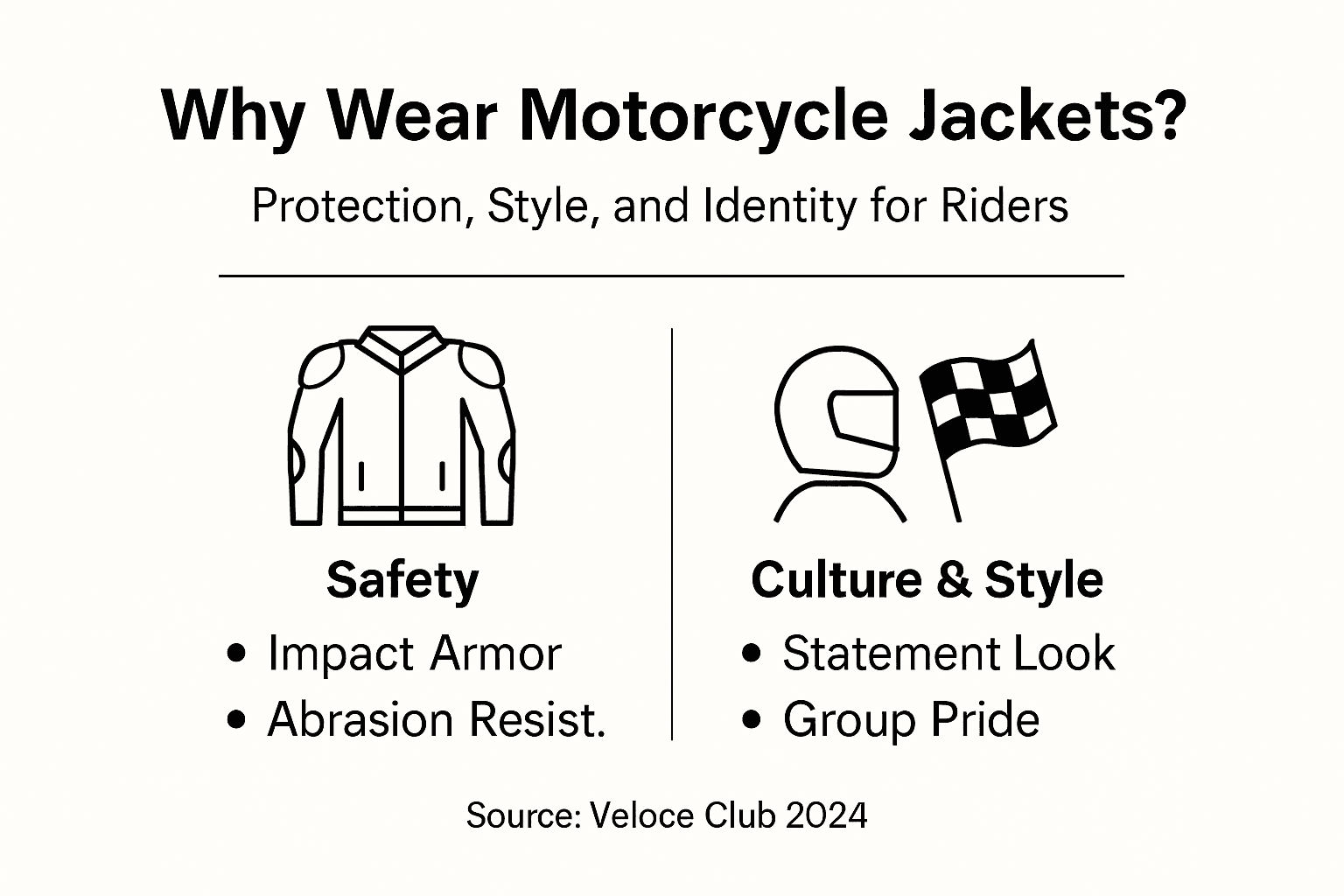
A motorcycle jacket is far more than a fashion statement or a way to look the part at the café on a Saturday morning. It’s a purposefully engineered piece of protective equipment that serves two distinct but equally important functions: safeguarding your body against injury and expressing your identity within the riding community. Made from durable materials like leather or advanced synthetics such as Cordura or Kevlar, these jackets are specifically designed to absorb impact and reduce the severity of injuries when things go wrong on the road.
At their core, motorcycle jackets combine protection with practicality. Specialised jackets incorporate protective padding on areas most vulnerable to impact, including your elbows, spine, and shoulders. When you’re riding through the Hertfordshire countryside or heading into town, these reinforced zones provide a critical layer of defence during a slide or collision. Research demonstrates that riders wearing jackets alongside protective trousers and gloves significantly reduce their risk of hospitalisation following accidents. This isn’t theoretical safety data either. Every ride carries an element of risk, whether you’re commuting on the A1(M) or enjoying a leisurely weekend spin with fellow riders from the community. The jacket acts as your first line of defence, absorbing energy that would otherwise transfer directly to your skin and underlying tissue.
Beyond the medical necessity lies something equally significant in motorcycle culture: identity. Your choice of jacket communicates something about who you are as a rider. Whether you favour a classic leather cruiser jacket, a sleek sports-oriented design, or something reflecting the café racer aesthetic gaining momentum amongst Hertfordshire riders, your jacket becomes part of your riding persona. The jacket you wear to Wheels and Waffles events or local ride-outs tells a story. It shows commitment to the craft of riding, respect for safety protocols, and membership within a community that values both style and substance. Many jackets originate from early military and courier traditions, carrying with them a heritage of durability and purpose that resonates with modern riders seeking authenticity.
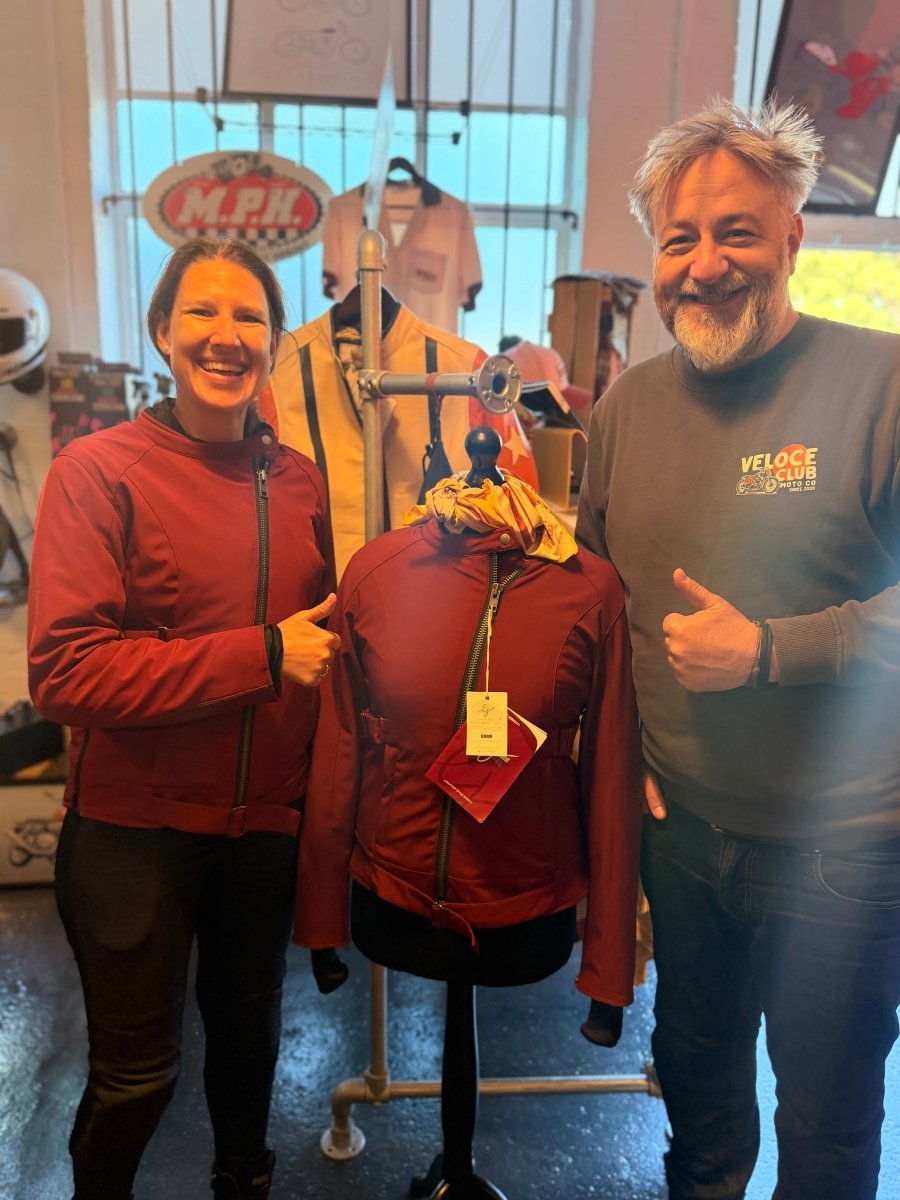
Understanding what makes a motorcycle jacket different from regular outerwear matters when you’re selecting your first piece of protective gear. Unlike a standard jacket that might shed water or provide warmth, a motorcycle jacket must withstand abrasion at speed, distribute impact force across broader surface areas, and maintain structural integrity during slides. The weight of the material, the placement of protective armour, the quality of seams, and even the collar design all serve specific protective functions. When you visit the Veloce Club showroom in Hitchin, you’ll discover how different jackets suit different riding styles and body types. A jacket that works beautifully for commuting might feel restrictive for long-distance touring, whilst a sports-focused design offers protection features unnecessary for casual local riding.
Pro tip: When trying on a motorcycle jacket, ensure it fits snugly enough that armour stays positioned over your joints, but allows enough movement for comfortable riding without restriction around the shoulders and arms.
Types of Motorcycle Jackets Explained
Motorcycle jackets don’t come in a one-size-fits-all package. The category splits into two primary types: leather and textile, each with distinct advantages depending on your riding environment, climate, and personal preferences. Understanding the differences between these categories helps you make an informed choice that aligns with both your safety needs and lifestyle. Within each category, manufacturers offer variations in construction, protection level, and aesthetic appeal, allowing you to find something that genuinely suits your riding style.
Leather jackets remain the gold standard in motorcycle apparel, particularly amongst riders who gravitate towards café racing aesthetics. Traditional leather delivers exceptional abrasion resistance, meaning it stands up remarkably well to high-speed slides and contact with road surfaces. Genuine leather naturally moulds to your body over time, creating a custom fit that improves with wear. The classic appeal of a well-maintained leather jacket transcends trends. Riders wearing leather at Veloce Club events or local ride-outs communicate a certain timelessness and dedication to the craft. However, leather does have limitations. It requires regular maintenance to prevent cracking and fading, offers minimal breathability in warm weather, and provides little water resistance without additional treatment. Weather protection often requires separate waterproof layers underneath or purchasing water-resistant leather jackets designed with sealed seams and treated surfaces.
Textile jackets represent the modern alternative, incorporating synthetic materials like nylon, polyester, and mesh combined with protective textiles such as Cordura. These jackets excel where leather struggles. Textile construction typically offers superior ventilation, making them comfortable during spring and summer rides across Hertfordshire. They provide built-in weather resistance, often featuring waterproof membranes and strategic venting that you can open or close depending on conditions. Textile jackets accommodate a wider range of budgets and maintenance requirements. You can machine wash most textile jackets, whereas leather demands careful hand cleaning. The trade-off involves slightly less abrasion resistance compared to premium leather, though advanced textiles now rival leather in protective performance. Many modern riders favour textile because tactical armour placement protects critical body areas including shoulders, elbows, and spine.
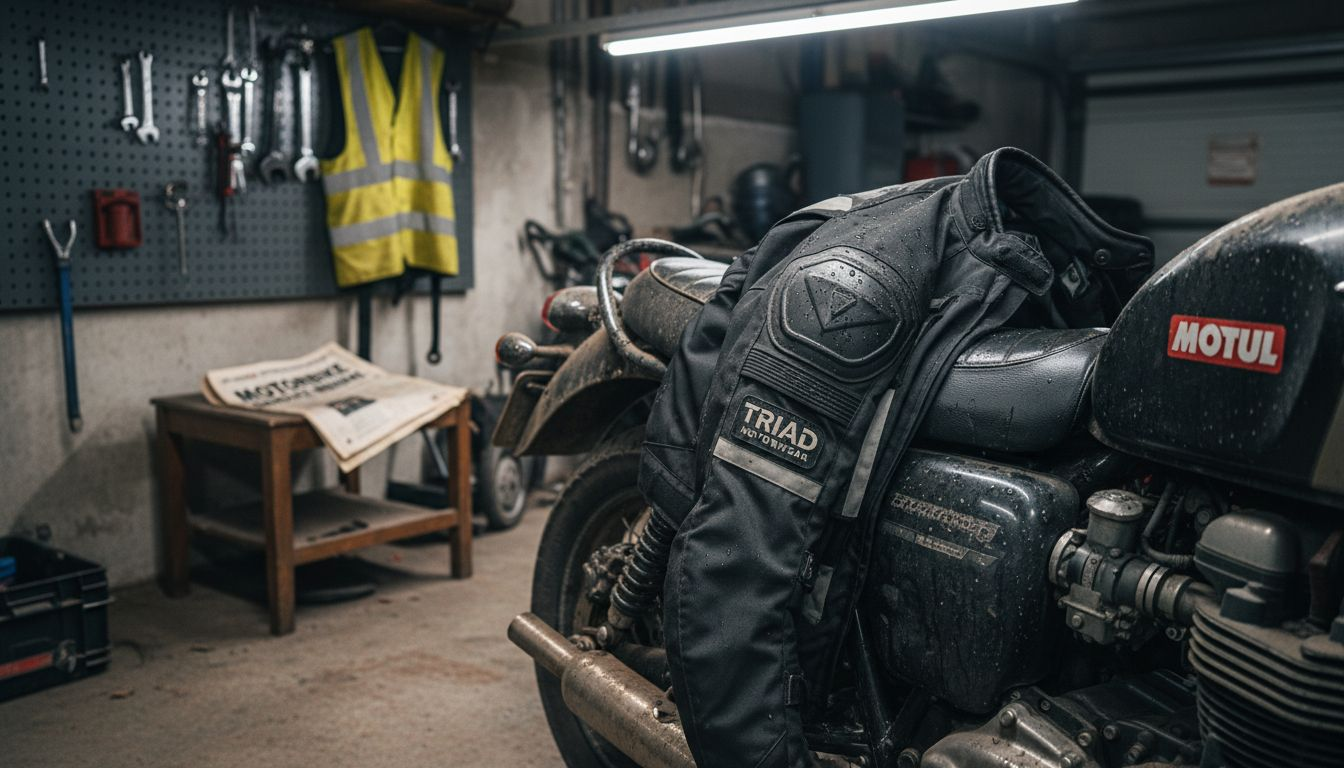
Beyond these two primary categories, jackets vary significantly in their protective features and intended use. Sports-focused jackets emphasise aggressive armour placement and aerodynamic cuts for track or high-speed road riding. Cruiser jackets prioritise a relaxed fit and classic styling, often with minimal armour but excellent abrasion protection from leather construction. Adventure or touring jackets offer weatherproofing and comfort features for long-distance riding. Commuter jackets balance protection with practicality, designed for everyday riding with professional styling suitable for arriving at work. When browsing options at the Veloce Club showroom or online, consider how you actually ride. Do you tackle winding country roads near Hitchin most weekends, or do you commute on motorways? Will you ride year-round, or primarily in summer months? Your answers determine whether you prioritise leather authenticity, textile practicality, or a hybrid approach combining both materials.
Selection ultimately depends on your specific priorities. Safety-focused riders emphasise armour positioning and abrasion resistance above all else. Comfort-conscious riders weight breathability and fit flexibility heavily. Style-driven riders might favour leather’s aesthetic despite accepting higher maintenance demands. The good news: customisation options continue expanding. Modern manufacturers offer detachable linings, adjustable ventilation, removable armour, and colour variations that allow you to tailor a jacket to your exact needs.
Here is a concise comparison of leather and textile motorcycle jackets to help guide your selection:
| Aspect | Leather Jackets | Textile Jackets |
|---|---|---|
| Abrasion Resistance | Excellent, durable in high-speed slides | Good, now rivals leather with advances |
| Weather Protection | Limited, needs separate layers | Built-in, often waterproof |
| Maintenance | Requires regular care, cannot machine wash | Easy, usually machine washable |
| Breathability | Low, can be hot in summer | High, features vents for airflow |
| Cost Range | Typically higher, premium material | Wider range, more affordable options |
| Style Appeal | Classic, timeless look | Modern, customisable style |
Pro tip: Before committing to any jacket, try it on whilst sitting on a motorcycle seat or in a riding crouch position to ensure armour aligns with your joints and movement feels natural.
Key Safety Features and Materials Compared
When you’re selecting a motorcycle jacket, the materials and protective features inside matter just as much as the outer appearance. The difference between a jacket that genuinely protects you and one that merely looks protective often comes down to specific construction choices. Modern motorcycle jackets use a carefully considered combination of materials, each serving a distinct protective purpose. Understanding what to look for helps you make decisions based on actual safety rather than marketing claims alone.
The foundation of any protective jacket starts with the outer material, which must resist abrasion when your jacket slides across asphalt at speed. High-denier textiles, premium leather, and advanced composite fibres like Kevlar form the first defence against road rash. Leather remains popular because genuine hide delivers exceptional abrasion resistance, naturally becoming more supple with use whilst maintaining structural integrity. Cordura and other high-strength synthetics now rival leather in durability, offering additional benefits like water resistance and easier maintenance. Beneath these outer layers sits the crucial middle section where impact-resistant armour sits on shoulders, elbows, and back to absorb and distribute crash forces. Quality jackets incorporate padding made from materials such as expanded foam or gel-based protectors that compress during impact, dissipating energy that would otherwise transfer to your body.
European safety standards have established rigorous testing requirements that separate legitimately protective jackets from those offering false security. CE certification confirms resistance to abrasion, burst strength, and impact cut resistance, providing a reliable benchmark for evaluating protective performance. When you see a CE mark on a jacket sold at Veloce Club or elsewhere, you can trust that the product has undergone standardised testing in controlled crash scenarios. This matters because manufacturers must demonstrate their jackets meet minimum performance thresholds. Reinforced seams, sealed stress points, and certified armour protectors further enhance safety by preventing material separation during impacts. A jacket lacking CE certification might feel protective, but you have no independent verification that it actually performs when needed.
Matching material choices to your riding conditions makes practical sense. Leather jackets excel in dry climates and shorter commutes where weather resistance matters less. Textile jackets with waterproof membranes suit year-round riding across variable Hertfordshire weather, offering breathability alongside weather protection. Hybrid jackets combining leather and textile provide balanced abrasion resistance with improved ventilation. When browsing options, examine armour placement carefully. Generic padding scattered across a jacket offers psychological comfort rather than genuine protection. Strategic placement directly over joints, following anatomical vulnerability maps, indicates thoughtful design. Look for articulated armour that moves with your body during riding positions rather than rigid plates that restrict movement or shift out of place.
Comfort features also influence protective effectiveness. A jacket that feels restrictive or overly hot encourages riders to remove it or leave ventilation open during protection-critical moments. Modern jackets increasingly incorporate adjustable venting systems, moisture-wicking liners, and ergonomic cuts that maintain protection whilst improving wearability. The best jacket is the one you actually wear on every ride, not the one that sits at home because it feels uncomfortable or impractical.
Below is an overview of common motorcycle jacket features and their impact on safety and comfort:
| Feature | Protective Benefit | Rider Comfort Impact |
|---|---|---|
| CE-Certified Armour | Absorbs and distributes impact force | May add bulk, enhances fit |
| High-Denier Outer Shell | Reduces abrasion from road surface | Feels robust, heavier feel |
| Sealed & Reinforced Seams | Prevents jacket splitting on impact | Maintains shape, durability |
| Adjustable Ventilation | Maintains cool body temperature | Customisable airflow |
| Removable Linings | Adapts to changing weather | Increases versatility |
| Ergonomic Design | Keeps armour in place during crashes | Allows movement, less fatigue |
Pro tip: Check the CE label inside your jacket for specific testing standards met (typically listed as EN 17092 for Europe), then cross-reference the armour certifications to ensure both outer material and impact protection meet current safety benchmarks.
Style, Identity, and Riding Culture
Your motorcycle jacket is far more than functional equipment. It’s a statement. Walk into any café racer gathering in Hertfordshire or join a Veloce Club ride-out, and you’ll immediately understand that what you wear communicates who you are within the riding community. The jacket you choose tells a story about your values, your aesthetic preferences, and your place within a culture that spans generations. This identity function runs deeper than fashion alone. It connects riders to a lineage stretching back through decades of motorcycle history, from post-war couriers to modern enthusiasts who view their bikes as extensions of themselves.
Motorcycle jackets have undergone a remarkable transformation from pure protective necessity to cultural icon. In the 1950s and 1960s, riders wore leather jackets primarily because leather protected them during crashes and slides. But something shifted. The jacket became symbolic, representing rebellion, individualism, and freedom that resonated far beyond the riding community. Today, motorcycle jackets fuse performance materials with cutting-edge styles, enabling riders to express individuality whilst maintaining protective integrity. The café racer movement that’s gaining momentum throughout Hertfordshire exemplifies this perfectly. Riders in this community deliberately choose jackets that reference vintage aesthetics from the 1960s and 1970s, creating a visual language that immediately signals their participation in a specific riding culture. A vintage-style leather jacket worn by a café racer communicates something entirely different from a sleek sports jacket worn by a commuter or adventure tourer.
Within diverse riding communities, your jacket serves as a badge of belonging. When you attend events at Veloce Club’s Hitchin location or participate in organised ride-outs, fellow riders instantly recognise shared values through your gear choices. Certain jacket styles have become associated with specific riding philosophies. Cruiser riders favour relaxed leather cuts that evoke classic American motorcycle imagery. Touring riders gravitate towards practical textile jackets designed for comfort across long distances. Sports riders prefer aggressive designs that prioritise aerodynamics and track-focused aesthetics. None of these choices is objectively better than another. Rather, each represents a different expression of identity within the broader motorcycle community. Your choice communicates which tribe you belong to, what matters to you as a rider, and how seriously you take both safety and style. This collective identity strengthens bonds between riders who share similar values and riding approaches.
The beauty of modern motorcycle apparel is that identity and protection no longer require compromise. Contemporary manufacturers create jackets that honour riding heritage whilst incorporating cutting-edge protective technology. You can wear a vintage-inspired leather jacket with CE-certified armour. You can choose textile designs that look contemporary whilst providing superior weather protection. The rising number of riders discovering café racing culture across Hertfordshire demonstrates this perfectly. These riders seek jackets that reference the aesthetic of the original café racers whilst meeting modern safety standards. This balance between heritage and contemporary protection allows riders to build authentic identity without sacrificing the safety improvements developed over decades.
Your jacket becomes particularly significant at community events. When you arrive at Wheels and Waffles outings or local meetups, what you wear influences how other riders perceive you. This isn’t about judgment or exclusion. Rather, it’s about visual communication. Your jacket tells other riders that you’ve thought carefully about your appearance, that you respect the culture, and that you’ve chosen to invest in quality gear. Over time, your specific jacket becomes part of your rider identity. Regular riders develop loyalty to particular brands and styles. Some riders develop signature looks around which their entire riding persona orbits. The worn leather develops character. Patches, pins, and modifications reflect your personal journey as a rider. Your jacket becomes a tangible record of your time in the riding community.
Pro tip: Choose a jacket that genuinely resonates with your riding aesthetic rather than defaulting to trends, since you’ll wear it regularly and it will eventually become an extension of your identity within the riding community.
Legal Considerations and Practical Safety
Understanding the legal landscape surrounding motorcycle protective clothing matters, particularly if you’re new to riding in the United Kingdom. The reality differs significantly from what many riders assume. Whilst helmets carry strict legal requirements across most jurisdictions, motorcycle jackets and protective gear operate in a more nuanced regulatory space. In the UK, no law mandates that you wear a motorcycle jacket. However, this legal absence doesn’t diminish the practical necessity of protective clothing. Insurance companies often view jacket usage favourably when assessing claims, and some policies may impose restrictions or reduced payouts if you’re involved in an accident whilst wearing inadequate protective gear. The distinction between legal requirement and practical responsibility matters considerably when you’re making real decisions about your safety.
Across Europe, the regulatory framework emphasises standards compliance rather than mandatory usage. Helmet laws remain strict while motorcycle jacket requirements vary considerably by country, but European standards focus on ensuring that jackets meeting CE certification have been rigorously tested for protective performance. When you purchase any motorcycle jacket sold at Veloce Club or other retailers in Hertfordshire, look for CE marking and compliance with EN 17092 standards. This marking indicates that the jacket has undergone standardised testing covering abrasion resistance, burst strength, and impact protection. The certification process provides independent verification that your jacket actually delivers the protection its manufacturer claims. Authorities throughout Europe emphasise rider education on protective gear importance as a key complement to legal frameworks. This approach balances enforcement with rider acceptance, recognising that voluntary adoption of quality gear offers better outcomes than rigid mandates that might encourage riders to avoid wearing jackets altogether.
Insurance implications deserve serious consideration alongside legal requirements. Your motorcycle insurance policy likely contains clauses addressing protective gear usage. Some insurers explicitly state that wearing certified protective clothing may reduce your excess or increase claim payouts. Conversely, riding without appropriate protective equipment might result in claim disputes if you’re injured in an accident. When you next review your policy documents or contact your insurer, ask directly about their position on motorcycle jackets and protective gear. Understanding these details before an incident occurs protects both your safety and your financial interests. Additionally, if you’re involved in any accident requiring police attendance, officers may document what protective clothing you wore. This documentation can influence both insurance proceedings and any subsequent civil liability discussions. The practical reality is that even though the law doesn’t require a jacket, multiple systems surrounding motorcycle riding create strong incentives for wearing one.
Beyond legal and insurance considerations sits the fundamental reality of crash protection. Medical research consistently demonstrates that riders wearing certified protective jackets alongside other protective gear experience significantly reduced injury severity compared to those riding without protection. Your jacket represents an investment in your biological integrity. When you’re riding through Hertfordshire, whether on quiet country roads near Hitchin or busier routes, crashes can happen regardless of your skill level or defensive riding practices. Road surfaces, weather conditions, and other road users create variables beyond your complete control. A certified protective jacket transforms an accident from potentially catastrophic injury into manageable harm. This distinction sometimes proves the difference between walking away and spending months in hospital rehabilitation.
Pro tip: Contact your motorcycle insurance provider and specifically ask whether your policy offers premium discounts or improved claim coverage for wearing certified protective gear, since many insurers offer incentives that offset the jacket’s cost over multiple years.
Discover Your Perfect Motorcycle Jacket with Veloce Club
Finding the right motorcycle jacket is about balancing style, safety, and personal identity just as the article highlights. Whether you are drawn to the classic leather look, the versatile textiles, or a jacket that meets strict CE safety standards, choosing gear that fits your riding style and offers genuine protection is a challenge for every rider. At Veloce Club, we understand these pain points. We provide a curated selection of jackets designed to not only keep you safe on Hertfordshire roads but also help you express your unique rider identity with confidence.
Explore our collection online or visit us in Hitchin to try on jackets that combine authentic style and trusted protection. Join a community that values both safety and culture by investing in gear that you will actually wear with pride every time you ride. Start your journey with Veloce Club today and experience the perfect blend of fashion and function. Discover what makes a jacket truly protective and stylish now by browsing our range of motorcycle clothing and protective apparel at Veloce Club. Your next ride deserves the best gear to reflect who you are and keep you secure—don’t wait, visit Veloce Club in Hitchin and become part of a passionate riding culture that celebrates both heritage and innovation.
Frequently Asked Questions
What are the main benefits of wearing a motorcycle jacket?
Wearing a motorcycle jacket offers critical protection against injuries in the event of a crash and enhances rider safety through impact-absorbing armour. Additionally, it allows riders to express their personal style and identity within the riding community.
How does a motorcycle jacket differ from a regular jacket?
Unlike a regular jacket, a motorcycle jacket is designed specifically for riding, featuring abrasion-resistant materials, strategically placed armour, and a fit that accommodates the riding position. These jackets are built to withstand the harsh conditions of riding and provide protection in case of an accident.
What materials are commonly used in motorcycle jackets?
Motorcycle jackets are primarily made from either leather or textile materials. Leather is known for its excellent abrasion resistance and durability, while textile jackets offer benefits like better ventilation, weather resistance, and easier maintenance.
How should a motorcycle jacket fit for optimal protection?
A motorcycle jacket should fit snugly enough to keep the protective armour in place over your joints while allowing enough movement for comfortable riding. When trying it on, make sure to simulate a riding position to ensure the jacket does not restrict your motion.

Share:
What’s Coming Up in 2026 (And Why You Should Be There!)
How to Choose Motorcycle Gear for Safety and Style